



أهمية الأبواب المقطعية العلوية للمصانع والمستودعات: دليل شامل لعام 2026
في عالم التصنيع والخدمات اللوجستية الحديث، أصبحت الكفاءة التشغيلية والإدارة المكانية الركيزتين الأساسيتين لنجاح الأعمال المستدام. ونتيجة لذلك، تسعى المنشآت الصناعية باستمرار إلى إيجاد حلول تكنولوجية تُسرّع مناولة المواد مع الحفاظ على الأصول. من هذا المنظور، فإن أهمية الأبواب المقطعية العلوية للمصانع والمستودعاتs يبرز كعنصر أساسي لا غنى عنه في تصميم المرافق المعاصرة.
إلى جانب دورها الأساسي في تأمين نقاط الدخول والخروج، تُسهم هذه الأبواب بشكل كبير في العزل الحراري وترشيد استهلاك الطاقة. لذا، يتطلب الاستثمار في البنية التحتية اللوجستية الحديثة فهمًا دقيقًا للآليات التقنية الكامنة وراء الأبواب المقطعية العلوية وكيفية تحسينها المباشر لسير العمل اليومي.
ما هي الأبواب المقطعية العلوية؟
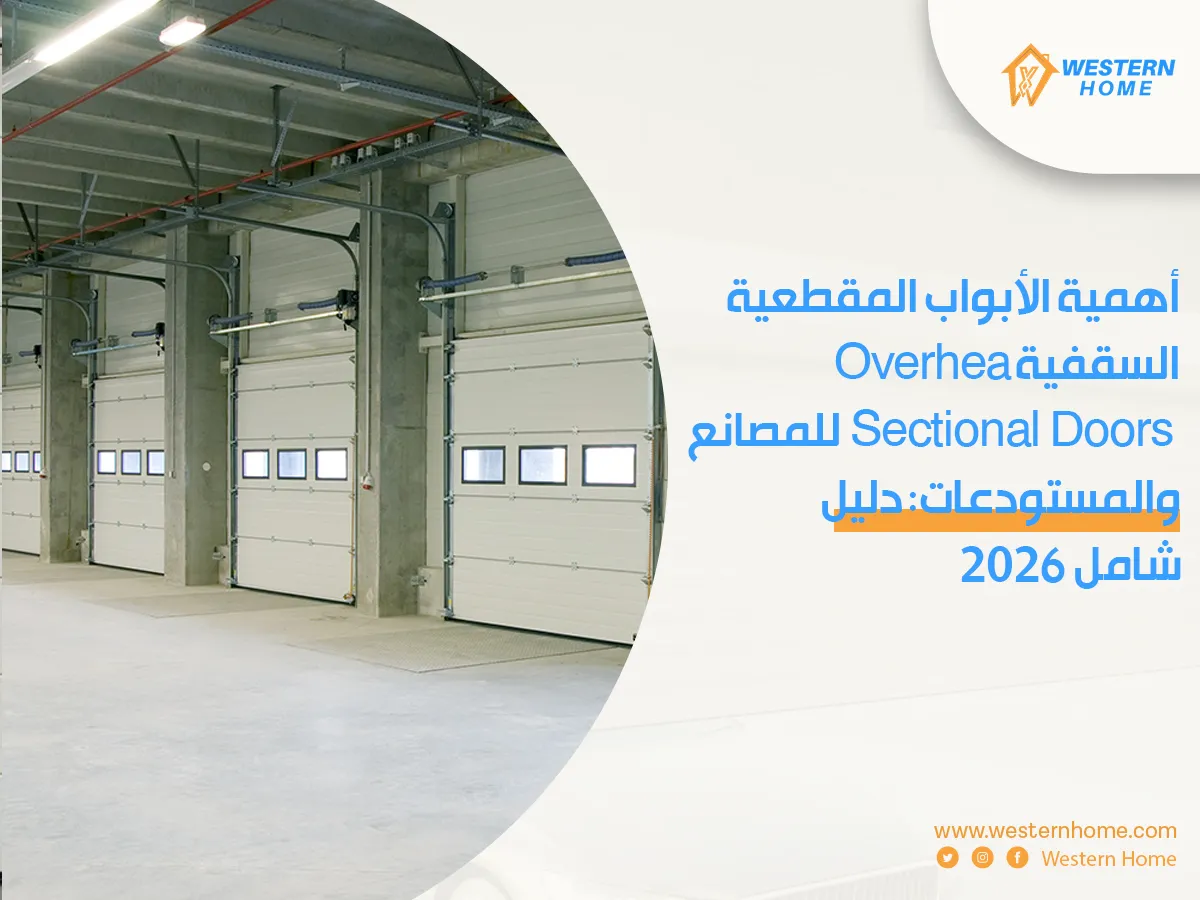
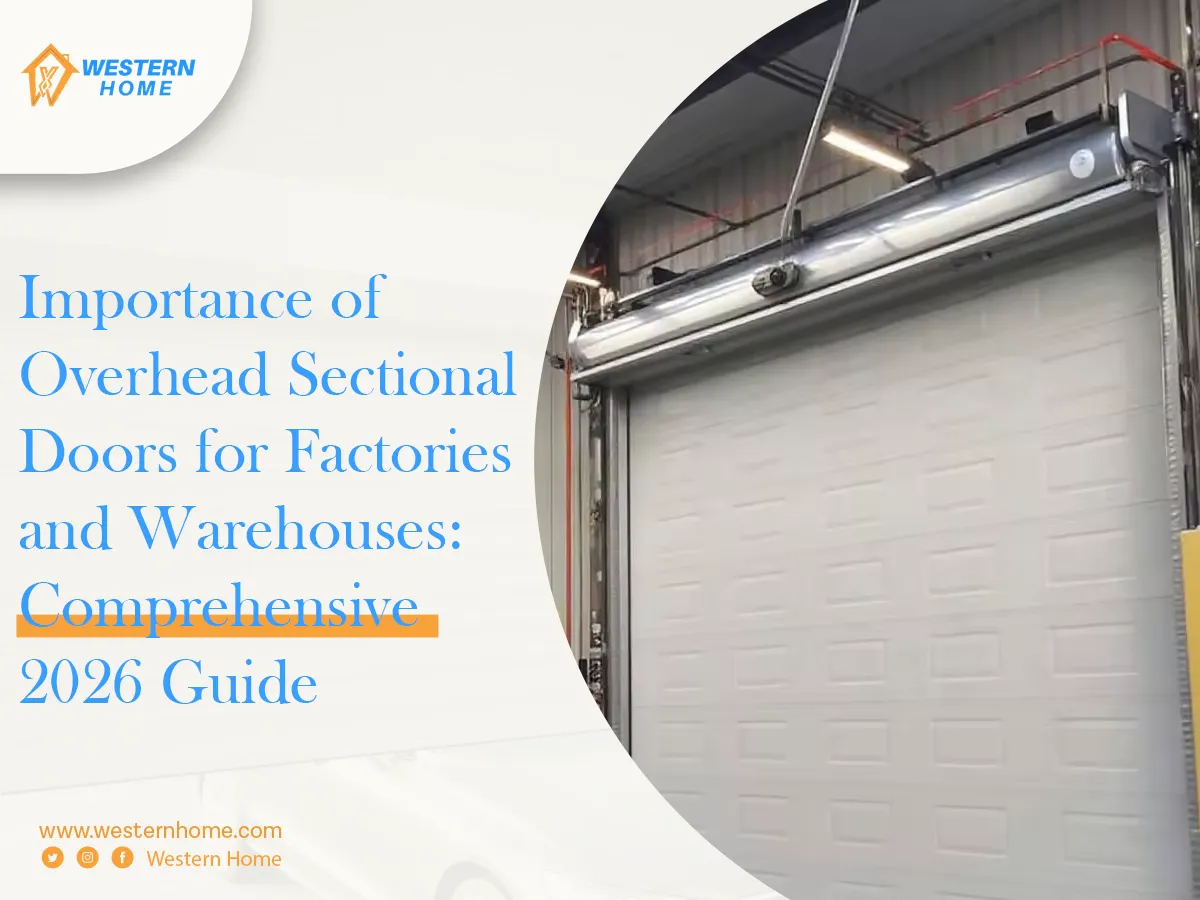
الأبواب المقطعية العلوية عبارة عن حواجز صناعية متطورة تتكون من عدة ألواح أفقية متصلة ببعضها بمفصلات. تتحرك هذه الألواح عموديًا لأعلى على طول مسارات فولاذية متينة مثبتة على جانبي فتحة الباب، لتستقر في النهاية بشكل مسطح أسفل السقف أو بشكل عمودي موازٍ للجدار الداخلي.
بفضل هذا التصميم الهندسي المبتكر، لا يشغل الباب أي مساحة قابلة للاستخدام أمام الفتحة أو خلفها. علاوة على ذلك، تُصنع هذه الألواح عادةً من الفولاذ المجلفن أو الألومنيوم ذي الطبقتين، مع قلب من البولي يوريثان عالي الكثافة. يوفر هذا التصميم قوة هيكلية استثنائية، ومقاومة فائقة للظروف الجوية القاسية، ومتانة عالية للاستخدام اليومي المكثف.
أهمية الأبواب المقطعية العلوية للمصانع والمستودعات في عام 2026
ال أهمية الأبواب المقطعية العلوية للمصانع والمستودعات شهدت هذه الصناعة نموًا ملحوظًا في عام 2026 نتيجةً للتحول الرقمي السريع والأتمتة في مجال الخدمات اللوجستية. وبفضل هذه التطورات التكنولوجية، لم تعد الأبواب الصناعية مجرد حواجز مادية بسيطة ضد التسلل، بل أصبحت مكونات متكاملة لأنظمة إدارة المباني الذكية. ويمكن تلخيص فوائدها التشغيلية الرئيسية في المجالات الاستراتيجية التالية:
1. تحسين استخدام المساحة والكفاءة التشغيلية
تولي المصانع الحديثة أولوية قصوى لاستغلال كل متر مربع من مساحة الأرضية. ونتيجة لذلك، توفر آلية الفتح الرأسي للأبواب المقطعية ميزة تشغيلية استثنائية مقارنة بالأبواب المفصلية التقليدية.
-
الإرساء عن قرب: يمكن لشاحنات النقل الثقيلة الرجوع إلى حافة منطقة التحميل دون أي عائق.
-
عمليات تشغيل الرافعات الشوكية بدون عوائق: يمكن للرافعات الشوكية أن تتحرك بحرية بالقرب من المداخل دون خطر الاصطدام بأبواب مفتوحة.
-
زيادة مساحة التخزين الداخلية إلى أقصى حد: يمكن للمرافق تكديس المخزون بجوار فتحات الجدران مباشرة، مما يحسن من إجمالي سعة التخزين.
2. العزل الحراري وكفاءة الطاقة
تمثل نفقات الطاقة جزءًا كبيرًا من ميزانيات التشغيل الصناعية. وبالتالي، فإن أهمية الأبواب المقطعية العلوية للمصانع والمستودعات ويتضح ذلك بشكل أكبر عند تقييم الجهود المبذولة لخفض تكاليف المرافق، لا سيما في مرافق التخزين البارد وتجهيز الأغذية والصناعات الدوائية.
-
ألواح عازلة من نوع ساندويتش: تتراوح سماكة الألواح عادةً من 40 مم إلى 80 مم، مما يوفر حاجزًا حراريًا مثيرًا للإعجاب يمنع تبادل درجات الحرارة.
-
أختام محيطية شديدة التحمل: تحيط بالباب من جميع الجوانب الأربعة أختام مطاطية عالية الجودة لمنع تسرب الهواء والغبار والتيارات الهوائية.
-
استقرار المناخ الداخلي: تساهم دورات الفتح والإغلاق السريعة في تقليل فقدان المناخ الداخلي، وبالتالي تقليل الحمل التشغيلي على أنظمة التدفئة والتهوية وتكييف الهواء.
3. الأمن المتقدم وحماية الأصول
تواجه المصانع الصناعية مخاطر مستمرة تتعلق بالدخول غير المصرح به والتخريب والظواهر الجوية المتطرفة. لذلك، أهمية الأبواب المقطعية العلوية للمصانع والمستودعات يعتمد بشكل كبير على دورهم كخط دفاع أول قوي.
-
سلامة هيكلية عالية: تقاوم الأغطية الفولاذية الصلبة محاولات الاقتحام القسري والصدمات المادية.
-
مقاومة أحمال الرياح: تتحمل أنظمة المسارات المصممة هندسياً ضغوط الرياح الشديدة، وهو أمر حيوي للمجمعات اللوجستية الساحلية أو المعرضة للرياح.
-
أنظمة القفل الآلية: تمنع آليات القفل الإلكترونية المدمجة الفتح اليدوي من الخارج.
4. تخفيف الضوضاء والآثار البيئية
تُصدر الآلات الصناعية الثقيلة بطبيعتها مستويات عالية من الضوضاء أثناء التشغيل. ونتيجة لذلك، توفر الأبواب المقطعية حماية مزدوجة: فهي تمنع التلوث الضوضائي من التسرب إلى المجتمعات المجاورة، وفي الوقت نفسه تمنع الأوساخ الخارجية والحشرات والملوثات من تلويث مساحة العمل الداخلية.
أنواع التركيب الأساسية للأبواب المقطعية العلوية
تتميز كل منشأة صناعية بأبعاد هيكلية وارتفاعات أسقف فريدة. ونتيجة لذلك، تتوفر عدة تكوينات للمسارات لتناسب المتطلبات المعمارية المختلفة:
| نوع التركيب | آلية الرفع | أفضل تطبيق |
| مصعد قياسي | ترتفع الألواح عمودياً لمسافة قصيرة قبل أن تنحني أفقياً على طول السقف. | المصانع القياسية ذات الارتفاع الرأسي العادي ($ ≥ 600 مم $). |
| رفع عمودي كامل | تتحرك الألواح بشكل مستقيم لأعلى على طول الجدار الداخلي دون أي انحناء أفقي. | مستودعات ذات أسقف عالية، ومرافق تخزين مبردة، ومصانع للصلب. |
| رافعة عالية | تتحرك الألواح بشكل مستقيم للأعلى لمسافة كبيرة قبل أن تنعطف أفقياً. | مراكز توزيع مزودة بجسور رافعة علوية. |
| مصعد السقف | تم تصميم مسارات الإضاءة بزوايا مخصصة لتتناسب مع زاوية ميل السقف. | حظائر الطائرات والمباني الصناعية ذات الأسقف المائلة. |
| مصعد ذو سقف منخفض | تعمل أنظمة المسار المزدوج على توجيه اللوحة العلوية للعمل في ظل مساحة علوية محدودة. | تحديث المباني القديمة أو مناطق التخزين ذات الأسقف المنخفضة. |
المكونات التقنية الأساسية للأبواب المقطعية العلوية
تعتمد الموثوقية العالية لهذه الأنظمة على مجموعة من المكونات الميكانيكية والإلكترونية المصممة بدقة عالية لأداء مهام شاقة. لذا، فإن فحص هذه المكونات يساعد على اتخاذ قرارات شراء مدروسة.
1. نظام التوازن
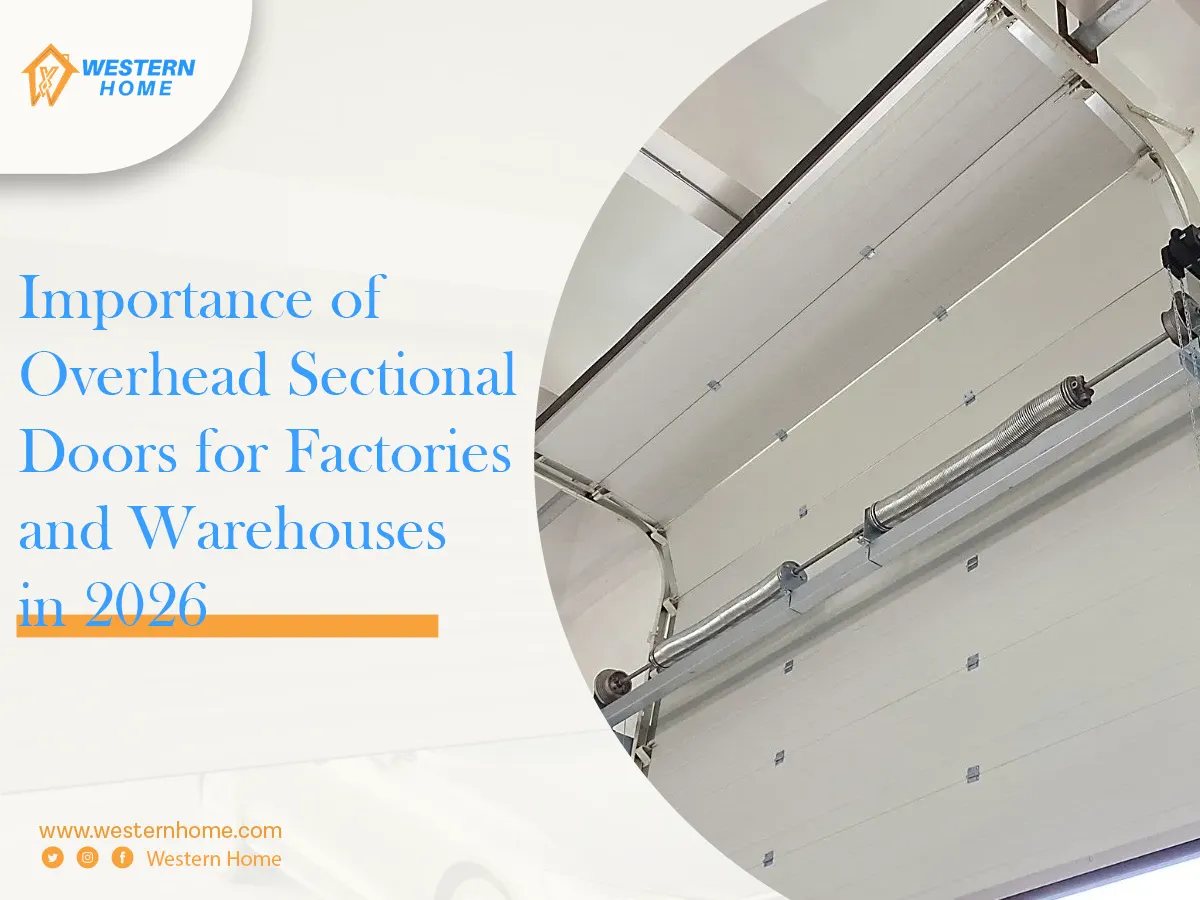
نظراً لوزن الألواح الصناعية الكبير، تستخدم الأبواب المقطعية نظام زنبركي عالي الشد. تُصنع هذه الزنبركات من فولاذ زنبركي معالج حرارياً، وتولد قوة موازنة دقيقة. وبالتالي، يتطلب تشغيل الباب - سواء يدوياً أو كهربائياً - جهداً بدنياً ضئيلاً. صُممت هذه الزنبركات لتدوم لفترات محددة، تتراوح من 25,000 إلى أكثر من 100,000 دورة تشغيل.
2. تصميم لوحة الباب
تتميز الألواح بألواح فولاذية مجلفنة مزدوجة الجدران مطلية بطبقة من البوليستر المقاوم للتآكل، تتوسطها طبقة من رغوة البولي يوريثان المحقونة. بالإضافة إلى ذلك، تتضمن تصميمات الألواح الحديثة وصلات مقاومة للانحشار (تصميم آمن للأصابع)، مما يمنع إصابات العمال أثناء تركيب الألواح.
3. مسارات ومجموعات بكرات
يتحرك الباب على مسارات فولاذية مجلفنة سميكة. وتُسهّل الحركة بكرات دقيقة مغلفة بطبقات نايلون عالية الجودة ومزودة بمحامل كروية داخلية، مما يضمن حركة سلسة وهادئة ومنخفضة الاحتكاك.
أنظمة السلامة المتكاملة: معايير غير قابلة للتفاوض
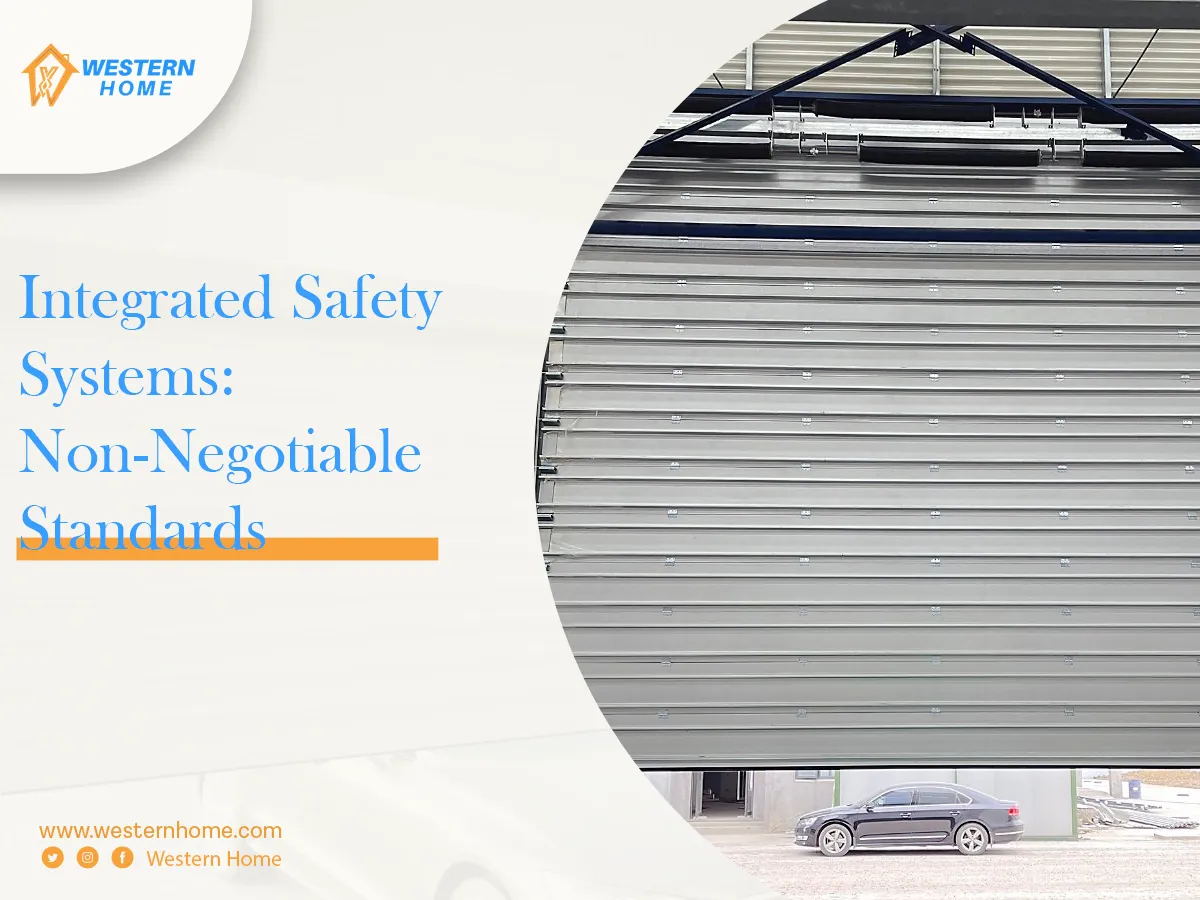
نظراً للتركيز على السلامة المهنية في البيئات الصناعية الحديثة، تأتي الأبواب المقطعية العلوية مزودة بأجهزة أمان احتياطية متعددة. ونتيجة لذلك، تلتزم هذه الأبواب التزاماً صارماً بمعايير السلامة الدولية مثل EN 13241-1 وUL.
-
جهاز أمان لعطلة الربيع: إذا انكسر زنبرك الالتواء بسبب الإجهاد الميكانيكي، فإن هذا الجهاز يقوم بقفل العمود على الفور، مما يمنع الباب من السقوط بسرعة.
-
جهاز أمان لقطع الكابل: في حالة انقطاع كابل الرافعة، تقوم ألسنة فولاذية محملة بنابض بتثبيت المسارات الرأسية على الفور لإيقاف حركة الباب.
-
خلايا ضوئية للسلامة: تعمل حواجز الأشعة تحت الحمراء المثبتة عبر الفتحة على إيقاف حركة الباب وعكس اتجاهها تلقائيًا إذا اعترض جسم أو مركبة أو شخص شعاع الضوء.
-
حافة الاستشعار السفلية: يقوم ختم مطاطي حساس للضغط على طول الحافة السفلية باكتشاف التلامس المادي مع أي عائق أثناء الإغلاق، مما يشير على الفور إلى المحرك لعكس الاتجاه.
أبواب مقطعية علوية ذكية في مجال الخدمات اللوجستية عام 2026
مع التوسع الكبير في دمج تقنيات الثورة الصناعية الرابعة، تطورت الأبواب المقطعية العلوية لتتجاوز كونها مجرد حواجز ميكانيكية سلبية. ونتيجة لذلك، أصبحت الآن متصلة مباشرة بأنظمة لوجستية أوسع نطاقاً.
-
الوصول الآلي عن طريق تقنية التقارب: تُفتح الأبواب تلقائيًا عند اكتشاف اقتراب المركبات باستخدام علامات RFID أو أجهزة استشعار الرادار.
-
تكامل نظام إدارة المستودعات: تقوم الأبواب ببث مقاييس التشغيل في الوقت الفعلي إلى أنظمة إدارة المستودعات، مما يسمح للمديرين بتتبع أوقات فتح أرصفة التحميل وعدد الدورات.
-
الصيانة التنبؤية عن بعد: تقوم لوحات التحكم الذكية بمراقبة إجهاد الدورة واحتكاك المكونات، وتنبيه فرق الصيانة قبل حدوث عطل فعلي في المعدات.
تحليل مقارن: الأبواب المقطعية مقابل الأبواب الصناعية البديلة
لتسليط الضوء على الصورة العامة أهمية الأبواب المقطعية العلوية للمصانع والمستودعات, تقارن المصفوفة التالية هذه الأنواع بأنواع الأبواب الصناعية الشائعة الأخرى:
| ميزة | أبواب مقطعية علوية | أبواب دوارة | أبواب قماشية عالية السرعة |
| العزل الحراري | ممتاز (لب رغوي سميك) | من ضعيف إلى متوسط | متوسط (يركز على السرعة) |
| الأمن والقوة البدنية | مرتفع جداً (ألواح صلبة) | عالي | منخفض (مادة قماش PVC) |
| استغلال المساحة | ممتاز (تحت السقف/الجدار) | ممتاز (يظهر فوق العنوان) | ممتاز (يُلف أو يُطوى) |
| سرعة الفتح | متوسط إلى سريع | بطيء إلى متوسط | سريع جداً (حتى) $2.5 م/ث$) |
| الجاذبية الجمالية | عصري واحترافي | صناعي / أساسي | ملون وعملي |
| عمر الخدمة | إلى جانب الرعاية المنتظمة | متوسط إلى طويل | معتدل |
اختيار الباب المقطعي العلوي المثالي
عند تحديد الأبواب العلوية لمشروع ما، يجب على مديري المرافق تقييم العديد من المعايير الحاسمة لتحقيق أقصى عائد على الاستثمار:
-
دورات العمل اليومية: إن تحديد ما إذا كان الباب سيدور 10 مرات أو 200 مرة في اليوم يحدد تصنيف قوة المحرك المطلوبة وعمر الزنبرك.
-
الظروف البيئية: تتطلب المنشآت التي تتعامل مع الأغذية أو المستحضرات الصيدلانية أو التخزين البارد ألواحًا أكثر سمكًا (من 60 مم إلى 80 مم) وأختامًا مزدوجة الشفة مطورة.
-
التزجيج وأبواب المرور: يُحسّن دمج النوافذ الأكريليكية ذات الرؤية الكاملة الإضاءة الطبيعية الداخلية والإدراك المكاني. بالإضافة إلى ذلك، تسمح أبواب مرور المشاة المدمجة بدخول الأفراد دون فتح الباب الصناعي الرئيسي، مما يحافظ على التحكم في المناخ الداخلي.
-
طرق التفعيل: تتراوح الخيارات من الرافعات السلسلية اليدوية إلى أزرار الضغط الآلية، وحبال السحب، وأجهزة الإرسال عن بعد، أو حلقات الأرضية المغناطيسية.
جدول الصيانة الوقائية للأداء طويل الأمد
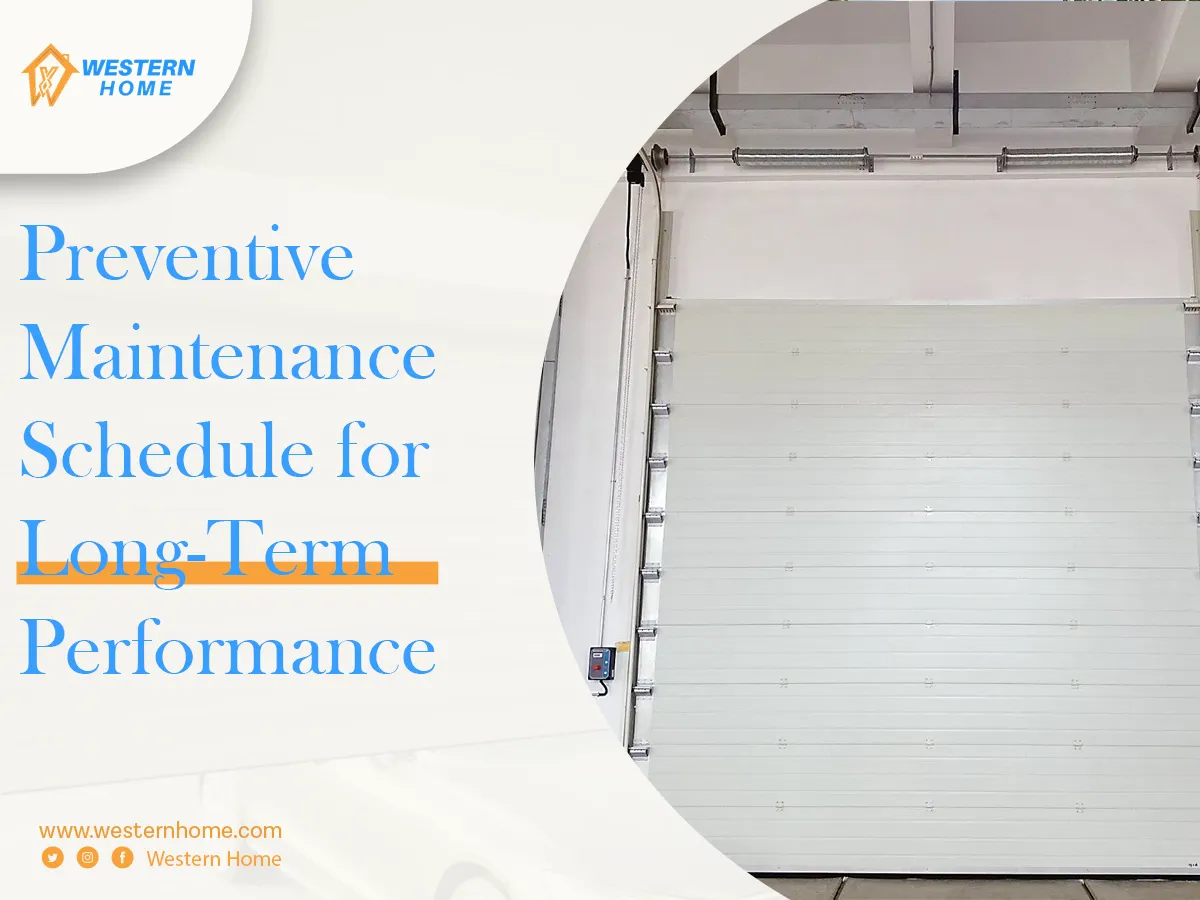
على الرغم من متانة تصميمها، تتطلب الأبواب المقطعية العلوية صيانة دورية منتظمة للحفاظ على موثوقيتها التشغيلية وسلامة مكان العمل. لذا، ينبغي على مديري المرافق تطبيق جدول الصيانة التالي:
المهام الشهرية
-
قم بإجراء فحوصات بصرية على كابلات الرافعة، وأقواس البكرات، ومجموعات الزنبرك للتأكد من عدم وجود تآكل أو صدأ.
-
اختبار أجهزة السلامة، بما في ذلك العيون الكهروضوئية وأجهزة الاستشعار الهوائية السفلية.
-
قم بتنظيف مسارات التوجيه لمنع تراكم الغبار أو الصدأ أو الحطام.
المهام نصف السنوية
-
قم بتشحيم نوابض الالتواء والمحامل الأسطوانية والمفصلات باستخدام مواد تشحيم صناعية.
-
تحقق من توازن الباب المادي عن طريق تشغيل النظام يدويًا للتحقق من وجود أي انحشار أو انحراف.
-
قم بربط جميع الأجزاء المعدنية، ومثبتات المسار، وأقواس التثبيت المعرضة للاهتزازات التشغيلية.
المهام السنوية
-
قم بإجراء فحص كامل للمشغل الكهربائي، ومجموعة التروس، ولوحة منطق التحكم.
-
افحص موانع التسرب المحيطة بحثًا عن التشققات أو الانضغاط، واستبدل الأجزاء البالية.
-
إجراء اختبارات معتمدة لسقوط الأحمال والتحقق من جميع أجهزة الفرامل الميكانيكية الآمنة.
خاتمة
فهم أهمية الأبواب المقطعية العلوية للمصانع والمستودعات يُظهر ذلك أن هذه الأنظمة تتجاوز بكثير مجرد عمليات إغلاق هيكلية. بل إنها تمثل استثماراً استراتيجياً يعزز بشكل مباشر إنتاجية سلسلة التوريد، ويقلل من استهلاك الطاقة، ويحمي الأصول المادية، ويصون العمال الصناعيين.
وبالتالي، فإن تحديد التكوين الصحيح للأبواب، وضمان التركيب الدقيق، والحفاظ على برنامج صيانة وقائية منضبط، يمكّن المؤسسات الصناعية من بناء بيئات تشغيلية أكثر أمانًا وكفاءة ومستقبلية.

 [انقر هنا للتواصل مع مهندسينا عبر واتساب]
 أو اتصل بنا مباشرة: +٩٧١٥٨٢١٠٧٩٢٩
 تفضلوا بزيارة صالة عرضنا: المنطقة الصناعية الحادية عشرة، الشارقة، الإمارات العربية المتحدة.